
Most of Us Stop Praying When a Case Stops Moving. Jesus Told a Story About That.
Most of us pray hardest on the night the news arrives. Jesus told a parable about a widow who kept coming back after nothing changed. It is a story for the days a case stops moving.
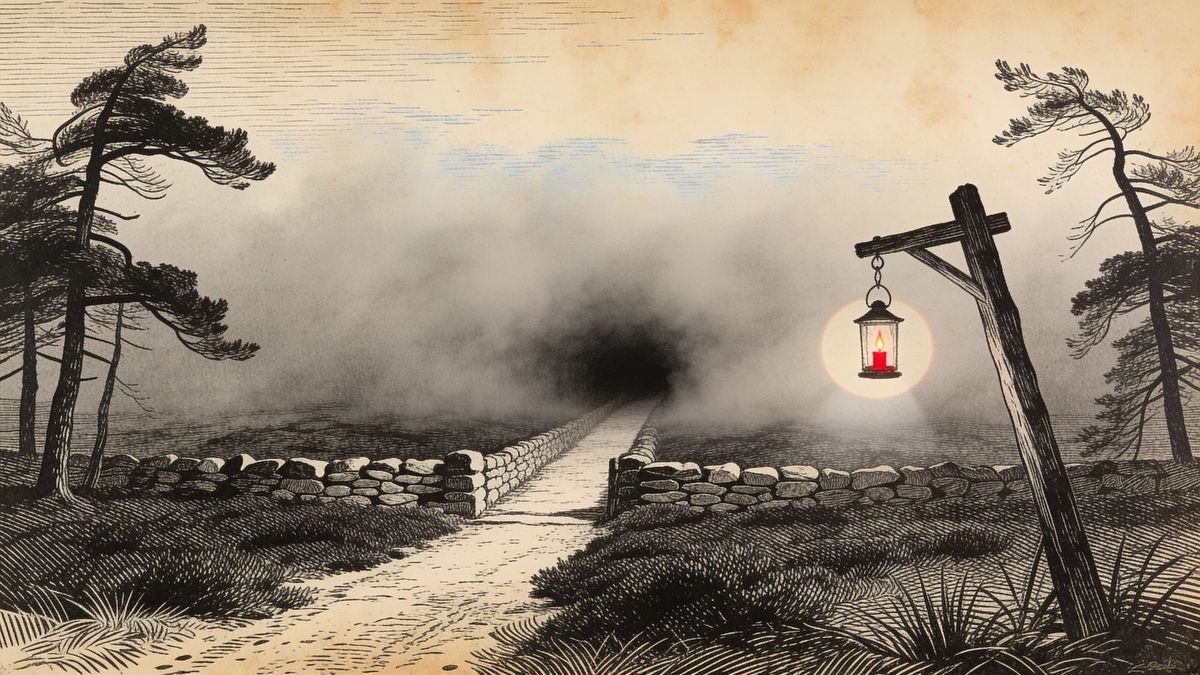
I am good at the first night of a prayer. A name arrives in my inbox, a priest or a pastor or a family in a village I will never see, and that night I pray for them with real heat, the kind that feels like it might move something.
The second week is harder. By the second month I am not sure I could tell you their names.
Nothing changed except that nothing changed. No release, no verdict, no new photograph. The case stopped moving, and so, quietly, did I.
Jesus told a story for people like me, and Luke tells us exactly why He told it.
The widow
"And he spake a parable unto them to this end, that men ought always to pray, and not to faint" (Luke 18:1). Luke does not make us guess at the meaning. He hands it to us before the story starts, the way you tell a child the moral first because you know she will need it later.
There was a judge, the story goes, "which feared not God, neither regarded man." There was a widow in that city, and she kept coming to him with one sentence: "Avenge me of mine adversary." He would not, "for a while." Then he gave in, not because he had found a conscience, but because, in his own words, "by her continual coming she weary me."
It is a strange, almost comic picture. The widow has no lawyer, no money and no standing. What she has is a route to the courthouse and the stubbornness to keep walking it.
The point is not that God is like the judge. The point is that He is not. If a man who fears nothing will finally answer a woman he does not care about, Jesus asks, "shall not God avenge his own elect, which cry day and night unto him, though he bear long with them?"
Day and night
I notice the phrase "day and night," and I notice that I pray for the persecuted church mostly on the day the news arrives.
The widow's prayer was not more eloquent than mine. It was more frequent. She did not need a new development to come back. The injustice was still standing, so she was still standing in front of it.
That is the part I lose. I have let the news cycle set the rhythm of my intercession, as if God needed a headline to remember a prisoner. The man in a cell on his fortieth day is not less in need than he was on his first. He is only less interesting to me.
The question at the end
Jesus ends the parable with a question that has always unsettled me, because it is not about God at all: "Nevertheless when the Son of man cometh, shall he find faith on the earth?"
He does not ask whether God will be faithful. That is settled. He asks whether we will still be at the courthouse door.
So here is a small practice, nothing grand. Keep a short list of names, the ones that stopped moving. Pray them on the days nothing happens. Especially on those days. When we write to you that a case has moved, let it find you already praying, still walking the same road the widow walked, wearing out the same stretch of floor.
On The Red Lighthouse you can follow a case, and we will write when it moves. But the following that matters most is the kind no one sees.
Sources
- Luke 18:1 to 8, King James Version: biblegateway.com

Comments ()