The Evidence Was a Birthday Party. The Sentence Is Five Years of Hard Labor.
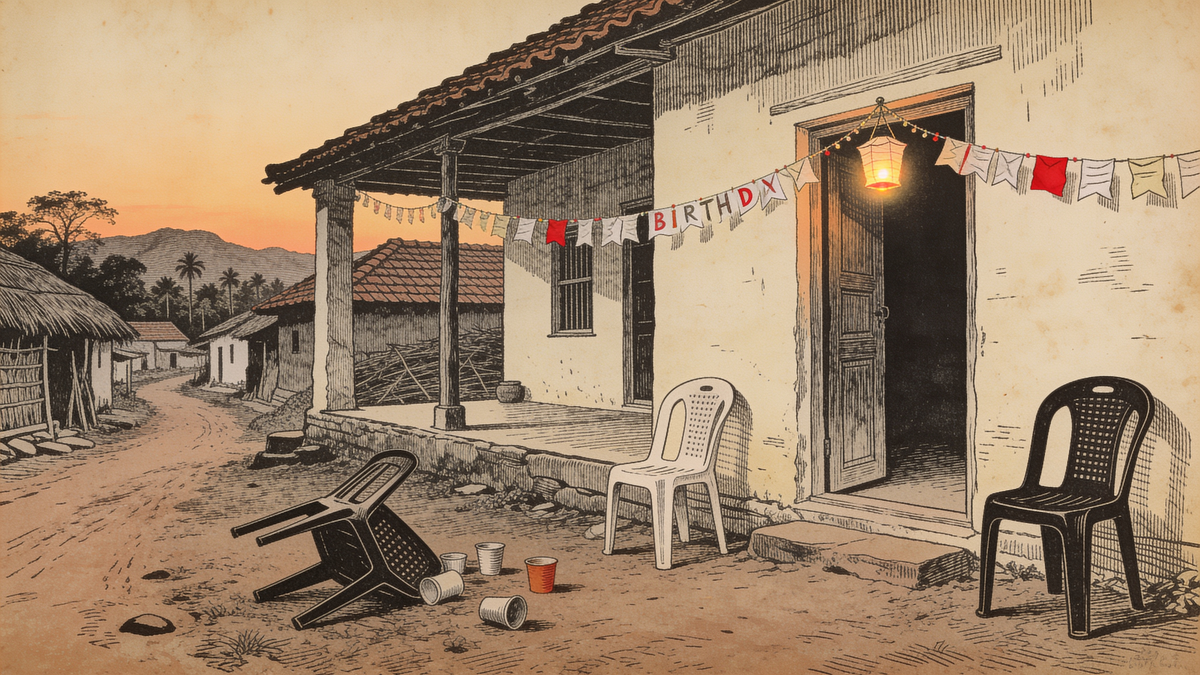
On April 27, 2024, in a village in Dindori district in central India, a man named Suday Singh Maravi threw a birthday party for his daughter. She was turning five. Friends and relatives came, and among the guests were six pastors and another Christian man.
By evening a crowd of 100 to 150 people had surrounded the house. Reports say the commotion was started by a neighbor, Angad Singh Maravi, a cousin of the host who had not been invited, and who called villagers to the scene and threatened to beat the Christians inside. The host did what you would do. He phoned the police for protection.
The police came. They dispersed the crowd without charging anyone in it. Then they arrested seven of the guests.
Two years later, on June 12, a sessions court in Dindori convicted all seven men and handed down the maximum penalty available: five years of rigorous imprisonment, a category that includes hard labor, plus a fine of 100,000 rupees each. To understand how a birthday party became a five year sentence, you have to look at what the court accepted as evidence, and what it set aside. That is where this story stops being about one village in Madhya Pradesh.