
What Would Your File Say
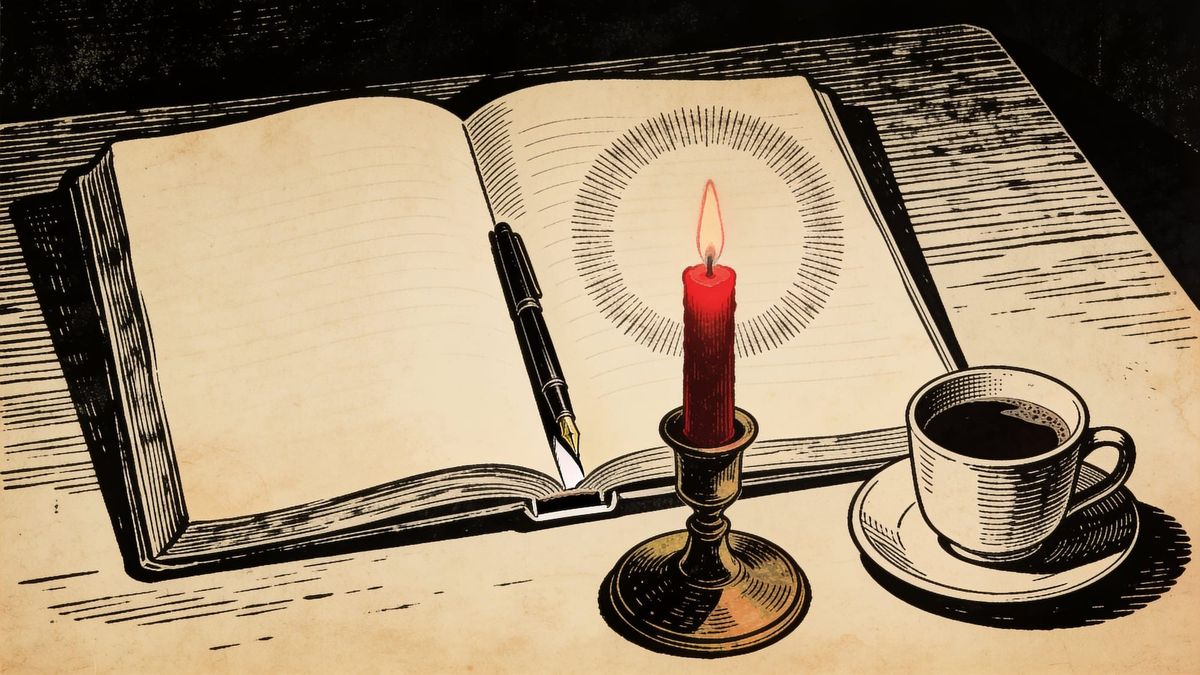
Of everything the police carried out of those homes in Yueyang, it is not the Bibles I keep thinking about. It is the files.
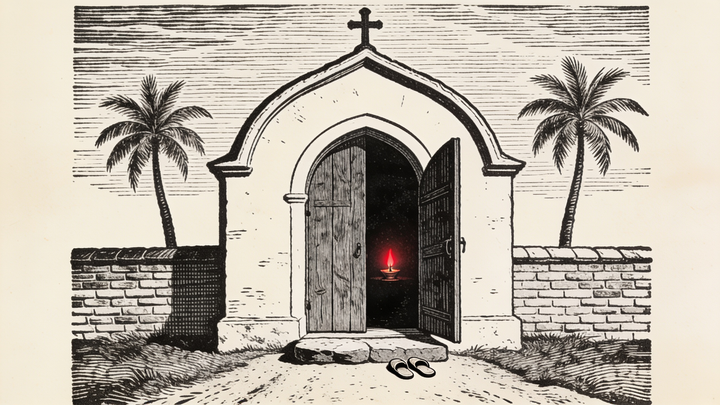
On July 11, authorities in Yueyang, a city in China's Hunan province, raided a network of house churches. ChinaAid, which broke the story, reports that most of the Christians taken in were released within a day or two. But before they were let go, the police took fingerprints. DNA swabs. Voice recordings. Video. Each believer left the station with a surveillance file opened in their name, a folder that now exists in a government system because its subject worships Jesus in a living room.
Six leaders were not released. As of the most recent reports they remain in custody: Pastor Huang, Elder Yang Jianjun, Preacher Hu Hongtao, Pastor Luo Kaimin, Sister Yang Chun, and a man the reports identify only as Brother Fu.
One more detail from the raids, and then I will tell you why I cannot put this story down. One woman's husband works for the government. Officials made him sign a written guarantee that his wife would not go back to church. Imagine that piece of paper on your own kitchen table. Imagine your marriage conscripted into the surveillance apparatus.
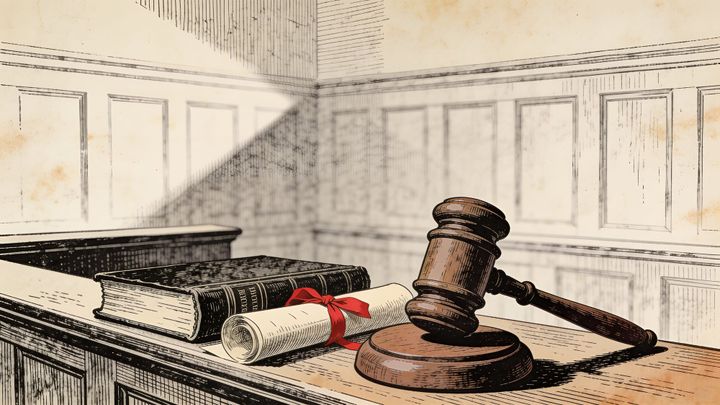
Empires have always kept lists of Christians. In third century Rome, under Decius, citizens had to obtain a certificate, a libellus, proving they had sacrificed to the gods. The believers who refused went onto a different kind of list, the kind that got you summoned. Seventeen centuries later the technology has improved and the filing system is digital, but the instinct is the same. Write down who they are. Let them know they are written down. Trust the fear to do the rest.
Here is the question I have been carrying around all week, and I want to hold it gently, because it is so easy to swing it like a club: if my government opened a file on my discipleship, how thick would it get?
I do not ask that to shame anyone, least of all myself. The old chestnut about being convicted with enough evidence has been preached at me a hundred times, and it usually just left me feeling vaguely guilty about my quiet time. That is not where this story took me. What undoes me about Yueyang is the direction of the fear. The police state is afraid of the prayer meeting. The government with the drones and the databases and the cameras on every corner looked at a few dozen people singing in an apartment and decided it needed their DNA.
Their file is thick because they kept showing up. That is the whole secret. Nobody in Yueyang did anything spectacular. They gathered, week after week, knowing the knock might come, and when it came they went down to the station, gave their fingerprints, and as far as ChinaAid can tell, planned to gather again. The file documents faithfulness. The state compiled the evidence of exactly the thing it wanted to disprove.
And Scripture says God keeps a file too. Malachi describes the people who feared the Lord speaking with one another, and God listening, and then this: a scroll of remembrance was written in his presence concerning those who feared the Lord and honored his name. Two records now exist of the church in Yueyang. One sits on a police server in Hunan. One is a scroll of remembrance. They contain the same names. They mean opposite things.
I live in a country where showing up costs me nothing, which means my own record is harder to read. There is no libellus on my table, no guarantee for my spouse to sign. Just a hundred small weekly decisions nobody is monitoring. Maybe that is my actual takeaway from Yueyang, the one I can carry into Sunday: to show up as if it counted, because somewhere it is being counted, by a Father who saw what was done in secret long before any police station thought to film it.
The writer of Hebrews asks one thing of us here: remember those in prison as if you were bound with them. So, by name, this week: Pastor Huang. Elder Yang Jianjun. Preacher Hu Hongtao. Pastor Luo Kaimin. Sister Yang Chun. Brother Fu.
They are on two lists. Pray from the second one.
Comments ()